PALM BEACH | JUPITER | THE FLORIDA KEYS
LUXURY WEDDING PLANNING & DESIGN


PALM BEACH | JUPITER THE FLORIDA KEYS
REFINED DESIGN
WHERE GRACIOUS HOSPITALITY
LUXURY WEDDING PLANNING & DESIGN
You're not sure how to do that. And you don't know where to begin.
You're not sure how to do that.
And you don't know where to begin.
And this is a once-in-a-lifetime kind of chance...
To marry your person. Celebrate BIG. And treat your friends & family to the most incredible & memorable wedding they've ever been to.
What a dream!
There's only one small problem:
Yours is a once-in-a-lifetime kind of love.
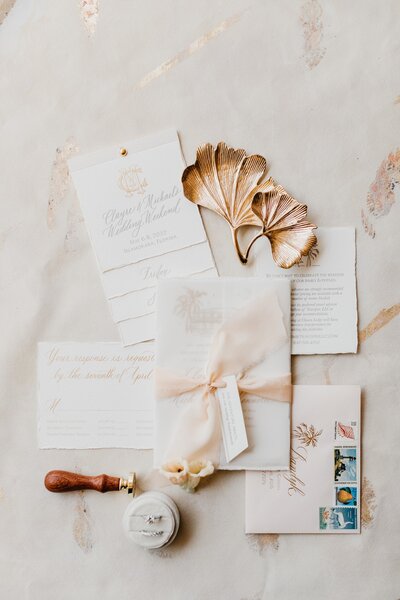
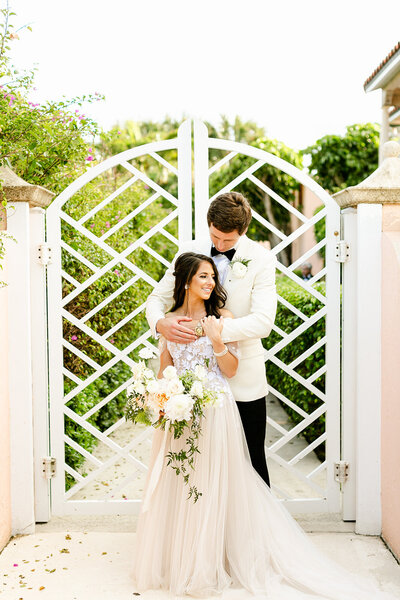
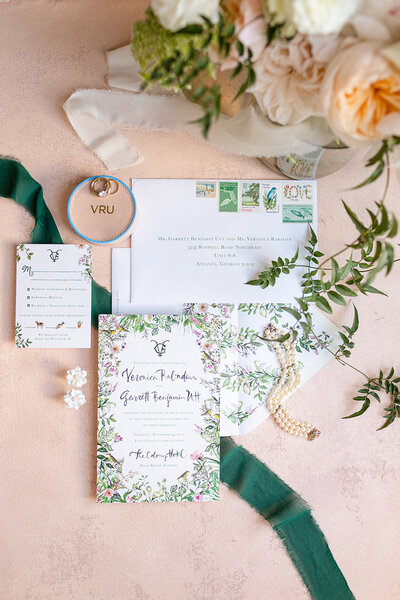
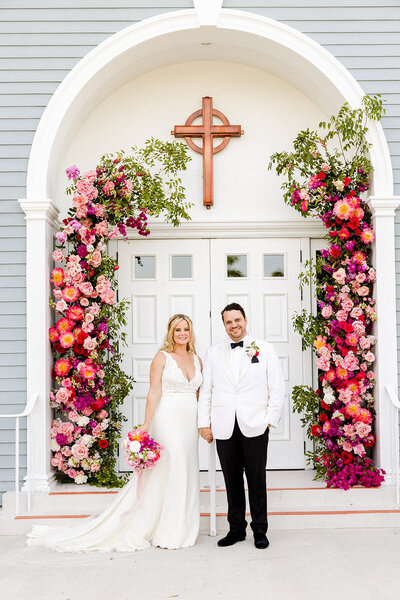

STRATEGIC PLANNERS
ELEVATED DESIGNERS GRACIOUS HOSTS
STRATEGIC PLANNERS | ELEVATED DESIGNERS | GRACIOUS HOSTS










As Seen In:
- Jessica
“She was available to chat, vent, guide, and brainstorm, which made me feel like I wasn't alone in trying to figure this all out.”
“There's a million decisions to make. So the fact that Allison made it as easy as possible made the process so much better.”
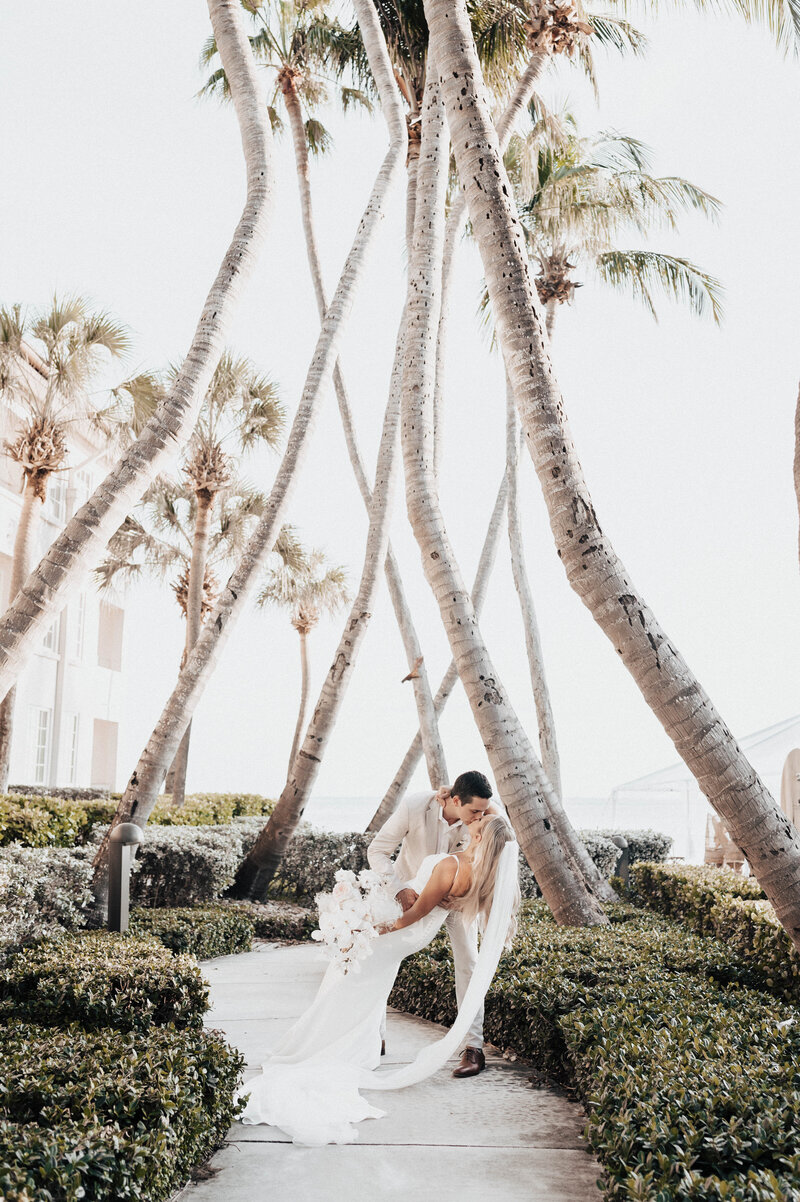
After 200 + weddings, we've refined a planning approach that is strategic, purposeful, and highly personalized.
And designed to avoid the planning stress and overwhelm - From day one. To day of.
to the
JOURNEY
AISLE
JOURNEY AISLE
your
THE GOLDEN PINEAPPLE EXPERIENCE
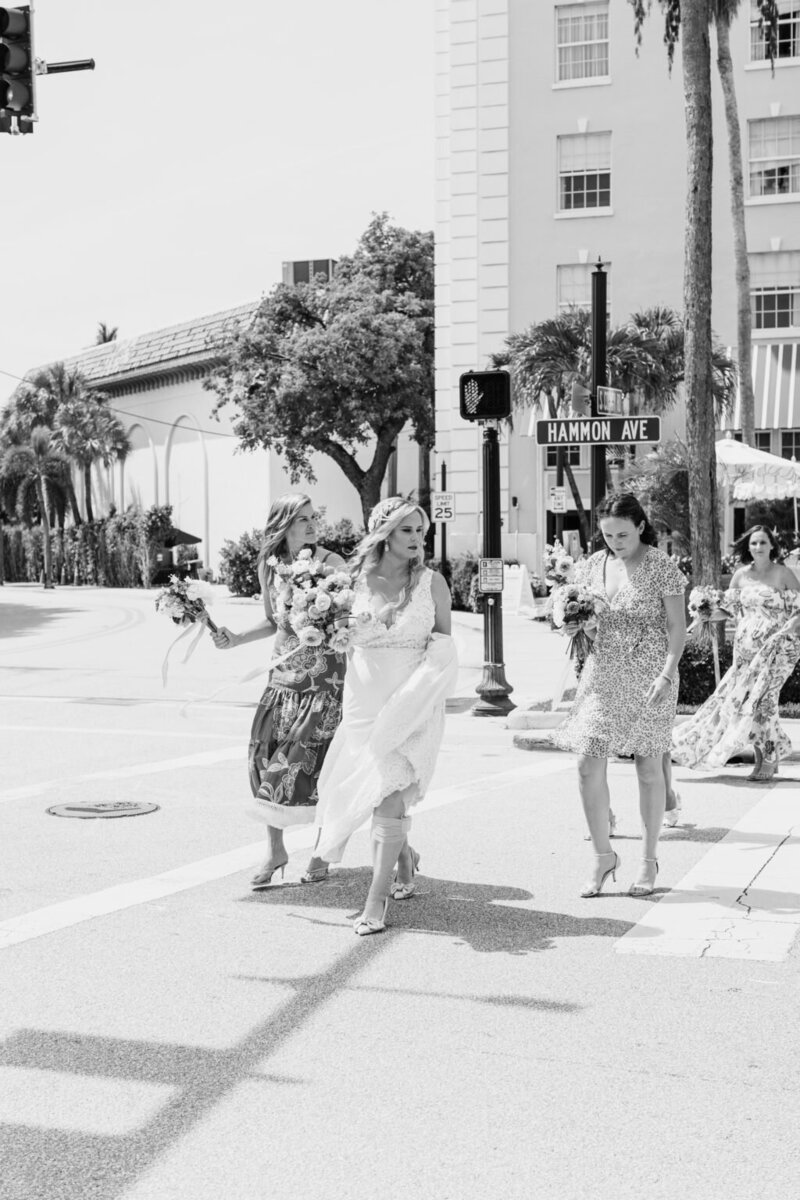
Tell us your love story and all of your wedding day dreams. We'll talk through your ideas, wish lists, and key essentials. And help you determine the budget, priorities, and design aesthetic that will create a thoughtful foundation before we dive into the bigger picture.
CONNECTION & GUIDANCE
foundation
the
Receive handpicked vendor options based on your personality, budget, and style. We have excellent relationships with some of the best vendors in the industry. And we'll be your main point of contact. So you can avoid a ton of emails and headaches. And save a ton of time.
OPTIONS & POSSIBILITIES
PARTNERS
the
learn more
Get a customized path of bite-sized tasks. And because we manage the plan digitally, you'll always have access to every clear and concise to do. Whether you're planning locally - or from afar- you're sure to experience a lot less overwhelm. And a lot more fun!
STRATEGY & COMMUNICATION
Plan
the
Lauren
“Allison is well prepared, fearless, humble & detail-oriented. She was with me every step of the way, not only in the planning process but emotionally as well. ”
“She was literally like my fairy godmother showing up for duty with a wand & shield, protecting me & guiding me on my way.”
Kind Words
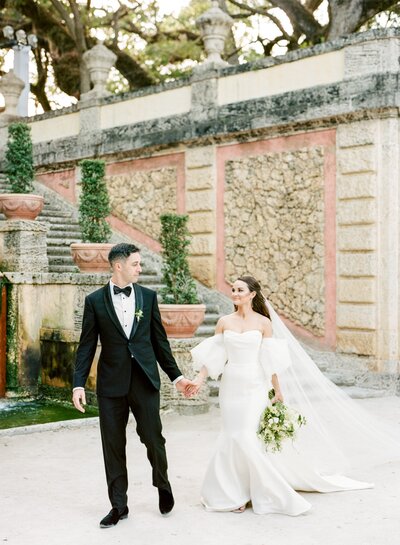
Miami
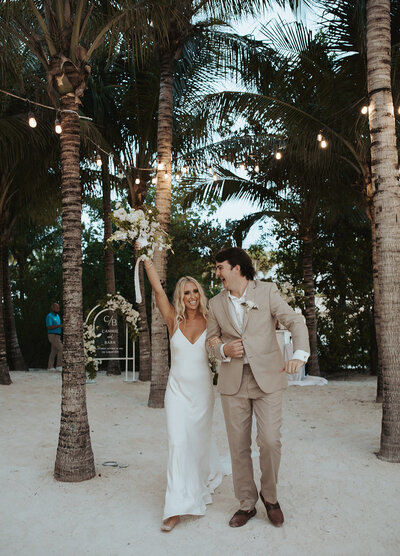
Florida Keys
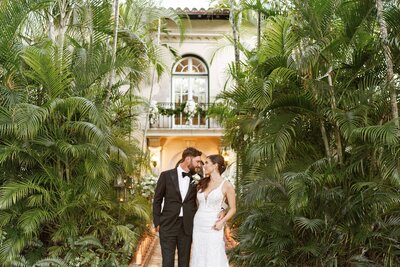
Miami
While we're known for stunning designs and detail-driven decor, our weddings are also filled to the brim with meaning, thoughtfulness, and a whole lot of love.
While we're known for stunning designs and detail-driven decor,
our weddings are also filled to the brim with
meaning, thoughtfulness, and a whole lot of love.
EXQUISITE VISION | IMPECCABLE DESIGN | THOUGHTFUL DETAILS
flawlessly
MEANINGFUL CELEBRATIONS
BROUGHT TO LIFE
Kayla
“I am so grateful to them for making all of our wedding dreams come true.They know their craft and they know it well, and my husband and I are eternally grateful for their amazing work.”
“It may sound like a cliche, but they were seriously flawless.”
Kind Words
We’ve got just what you need. Download our free Comprehensive To-Do List to stay organized from the start.
Wedding planning leaving you overwhelmed?